Description
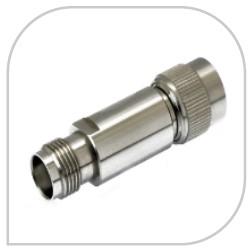
The UHF M LMR 400 Clamp is typically a connector or clamping mechanism designed for use with LMR-400 coaxial cables. These cables are commonly used in communication systems, such as radio, TV, Wi-Fi, and satellite installations. Let’s break down the components of the term: 1. UHF: UHF stands for Ultra High Frequency. This refers to the frequency range between 300 MHz and 3 GHz. UHF is often used in communications like two-way radios, television broadcasts, and wireless networking. UHF connectors are designed to efficiently transmit signals within this frequency range. 2. M (Male): In the context of coaxial connectors, M refers to the male connector. Male connectors typically have a center pin that plugs into a corresponding female connector. These connectors ensure a secure and stable connection for transmitting electrical signals. 3. LMR-400: LMR-400 is a type of low-loss, flexible coaxial cable. It is known for its low signal attenuation over long distances, making it ideal for high-performance applications. The "400" in the name refers to the approximate diameter of the cable, typically 0.405 inches or 10.3 mm. LMR-400 is often used in communication systems, including antennas, Wi-Fi networks, and other RF (radio frequency) applications. 4. Clamp: A clamp in this context is a mechanical device used to secure and hold the LMR-400 cable and its connectors in place. The clamp can be used to ensure the cable stays fixed to a specific device or connection point, preventing any movement or accidental disconnections that could interfere with signal integrity. It also helps in managing the cable’s position and prevents damage from bending or pulling. Summary: A UHF M LMR 400 Clamp refers to a male UHF connector that is specifically designed to fit LMR-400 coaxial cables. The clamp portion likely refers to a securing mechanism used in conjunction with the connector to ensure stable and reliable connections in high-frequency communication systems. It is used in applications where low-loss signal transmission is required over longer distances, ensuring minimal signal degradation and maintaining system performance.