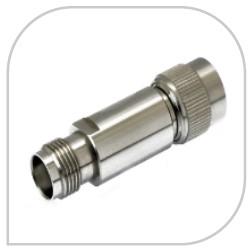
Description
The term "TNC M RP LMR 100 CRIMP" likely refers to a specific type of connector or cable assembly used in RF (radio frequency) applications. Let's break down this definition: TNC (Threaded Neill-Concelman): TNC is a type of RF connector with a threaded interface, designed to provide a more secure connection compared to the more common, non-threaded "BNC" connector. It is widely used for medium to high-frequency applications, offering better performance in terms of signal integrity and less susceptibility to signal loss or interference. M (Male): This indicates the gender of the connector, meaning it is a male TNC connector. A male connector typically has a central pin that fits into a female connector, creating the electrical connection. RP (Reverse Polarity): RP means Reverse Polarity, which indicates that the standard orientation of the TNC connector has been reversed. In an RP connector, the center pin of the male connector is replaced with a socket, and the female counterpart has a pin instead of a socket. RP connectors are commonly used to avoid accidental connection between different systems, especially in wireless or Wi-Fi networks. LMR 100: LMR 100 refers to a specific type of coaxial cable. LMR stands for "Low Loss Microwave Radio," and LMR 100 is a cable used in RF systems. It is known for its low attenuation and good performance over a wide range of frequencies. LMR 100 cables are commonly used for connections in telecommunications, Wi-Fi, and antenna systems. CRIMP: Crimp refers to the method used to attach the connector to the cable. In crimping, a specialized tool is used to press the connector onto the cable, creating a secure, low-resistance electrical connection. Crimping is a popular method for attaching connectors to cables in RF applications due to its reliability and efficiency. Summary: The TNC M RP LMR 100 CRIMP refers to a male, reverse polarity TNC connector that is designed to be attached to an LMR 100 coaxial cable using the crimping method. This assembly is commonly used in radio frequency applications, especially in wireless communication systems, where secure and reliable connections are needed.