Description
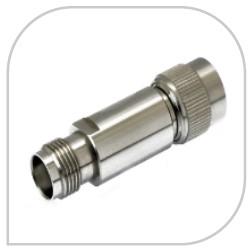
The term "TNC M LMR 400 CRIMP" refers to a specific type of connector and cable assembly, often used in RF (radio frequency) applications. Let's break down each component: TNC (Threaded Neill–Concelman): TNC is a type of coaxial connector that uses a threaded coupling mechanism, which provides a more secure connection than the more common push-on connectors like BNC. TNC connectors are often used in applications where there is a need for a reliable connection in environments with higher frequencies or vibration. "M" refers to the male version of the connector, meaning the TNC connector has a center pin that connects to the female counterpart. LMR 400: LMR 400 is a type of coaxial cable that is commonly used in RF applications. It has a characteristic impedance of 50 ohms and is widely used in wireless communication systems, such as antennas, routers, and base stations. The "400" refers to the diameter of the cable in thousandths of an inch (0.4 inches or about 10 mm). LMR 400 is known for its low loss, high performance, and durability, making it a popular choice in RF installations. CRIMP: Crimping refers to the process of attaching a connector to a cable by deforming the connector's metal parts to grip the cable tightly, providing a secure electrical connection. A crimp tool is used for this process, and it ensures a strong mechanical and electrical connection between the connector and the coaxial cable. Crimping is a popular method for assembling coaxial cables because it’s quick, reliable, and doesn't require soldering. Summary: A TNC M LMR 400 CRIMP is a crimped cable assembly where a male TNC connector is attached to LMR 400 coaxial cable using a crimping process. This type of assembly is commonly used in RF applications that require secure and reliable connections, such as in antenna installations, communications systems, and high-frequency devices.