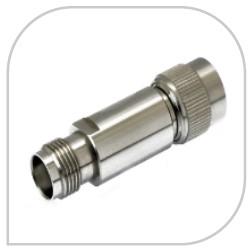
Description
The SMA M SM 250 Solder appears to refer to a specific type of solder or soldering material used in electronics or electrical connections, with potential emphasis on its composition, features, or intended applications. Here's a breakdown of the components of this name: 1. SMA SMA usually refers to SubMiniature version A, a type of connector commonly used in radio frequency (RF) applications. It can also sometimes refer to other specialized components in the electronics industry, such as soldering tips, connectors, or even soldering materials. If SMA is meant as part of a connector description, it indicates compatibility with SMA connectors, often used in RF and communication systems. 2. M The "M" in this context could be referring to a type or category of solder, or it might denote a particular variant, such as the form of the solder (for example, a specific material or alloy used for better performance). It could also signify the "Male" version if it's part of a connector, as SMA M might refer to Male SMA connectors. 3. SM "SM" might represent Surface Mount technology, which is a method for producing electronic circuits where components are mounted or placed directly onto the surface of a printed circuit board (PCB). If SM refers to "Surface Mount," then the solder is likely designed for use with surface mount components in PCB assembly. 4. 250 The number 250 could refer to a specific melting point or temperature rating associated with the solder material. For example, it might indicate that the solder melts or works best at around 250°C (degrees Celsius), which is common for certain lead-free soldering materials or higher-performance solder alloys. The 250 could also refer to the specific model number or classification of a soldering product. 5. Solder Solder is a fusible metal alloy used to join two or more metal workpieces. Soldering is a key process in electronics manufacturing, where the solder alloy is melted and used to create permanent electrical connections between components and PCB pads. The exact composition of the solder, such as lead-free or lead-based, would depend on the specific product. Lead-free solders often include alloys like tin-silver-copper (SAC) or tin-copper, which are common in modern electronics to meet environmental standards.