Description
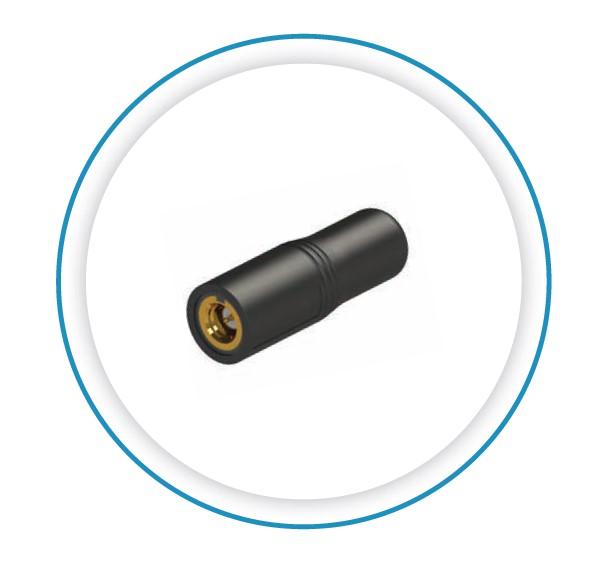
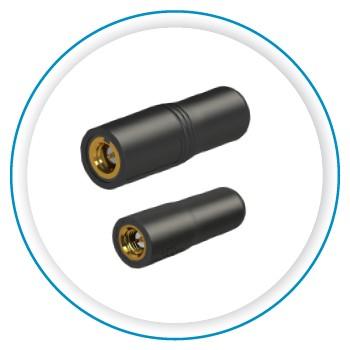
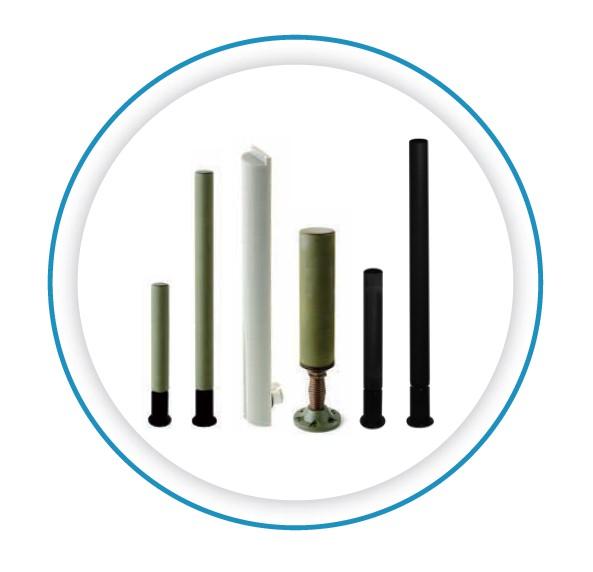
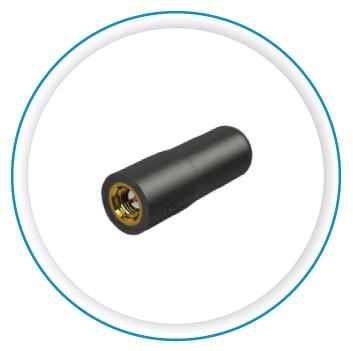
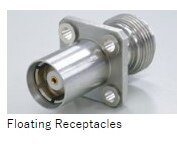
Floating receptacles (or “float-mount” connectors) are specialized interconnect solutions designed to compensate for misalignment between mating connectors, reducing mechanical stress and improving durability in high-vibration or high-precision applications. 1. Key Features of Floating Receptacles ✔ Axial/Radial Float – Allows slight movement (typically ±0.5mm to ±2mm) to accommodate misalignment. ✔ Vibration Resistance – Ideal for automotive, aerospace, and industrial environments. ✔ High Mating Cycles – 5,000+ cycles (vs. standard connectors). ✔ Secure Locking – Options include threaded, snap-in, or bayonet coupling. ✔ Material Options – Brass, stainless steel, or thermoplastic bodies with gold/nickel plating. 2. Types of Floating Receptacles A) Coaxial Floating Receptacles (RF Applications) Example: Huber+Suhner SMA floating jack (for antenna modules). Use Case: 5G base stations, radar systems. B) Power Floating Receptacles Example: Amphenol Floating Power Connector (e.g., PwrBlade+). Use Case: EV battery packs, robotics. C) High-Speed Data Floating Receptacles Example: TE Connectivity Dynamic Series (for FPC/FFC). Use Case: Industrial robots, medical imaging. D) Hybrid (Power + Signal) Floating Receptacles Example: Molex MX150 Floating Connector. Use Case: Automotive ECUs, UAVs.