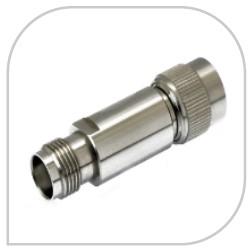
Description
The term DIN F BH RA LMR 200 CRIMP refers to a specific type of cable and connector configuration used in RF (Radio Frequency) applications, particularly for low-loss coaxial cables. Here’s a breakdown of each component of the term: DIN: This stands for Deutsches Institut für Normung, which is the German national organization for standardization. It often refers to connector types or standards used in RF applications, such as the DIN connector. F: This is likely referring to an F-type connector, which is a popular type of coaxial RF connector, typically used for video and data transmission. These connectors are threaded and commonly found in applications like satellite TV and cable modems. BH: This may refer to a bulkhead design, which is used when a connector is mounted on a panel, allowing for connections to be made through a hole in the panel. A bulkhead connector is often used in situations where a connection needs to be securely mounted on a wall or chassis. RA: This likely stands for right angle, indicating that the connector is designed to make a 90-degree connection, allowing cables to be routed in a different direction without needing extra space. Right-angle connectors are typically used in tight spaces. LMR 200: LMR 200 is a type of coaxial cable that is known for its low loss and high performance in RF applications. It's often used in wireless communication, antenna systems, and other RF projects. It’s a 0.2-inch diameter cable with a low attenuation, meaning it can transmit signals with minimal loss. CRIMP: This refers to the crimping process, which is a method used to attach connectors to the ends of cables. The crimping process uses a special tool to mechanically attach a metal connector to the cable's conductors and shielding. This provides a secure electrical and mechanical connection. Full Definition: DIN F BH RA LMR 200 CRIMP is likely describing a DIN F-type bulkhead right-angle connector designed to be used with LMR 200 coaxial cable. The connector is intended for crimping, which means it will be attached to the cable using a crimping tool to provide a secure connection for RF signal transmission, often used in applications like antennas, communication systems, or other wireless technologies where low-loss coaxial cables are critical.