Description
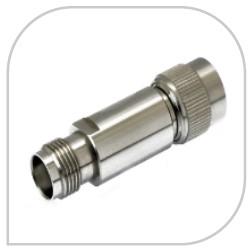
The term "BNC M RG 141 CRIMP" refers to a specific type of connector and cable assembly used in electronic and communication systems. Here’s a breakdown of each component: BNC: BNC stands for Bayonet Neill-Concelman, a type of coaxial cable connector. It is commonly used in radio frequency (RF) applications for its quick connect/disconnect capability and secure locking mechanism. The BNC connector typically features a bayonet-style coupling, which is ideal for making and breaking connections without the need for tools. M (Male): M indicates that the connector is male. Male connectors have a pin or protruding contact that fits into a female (receptacle) connector. This is crucial for establishing the electrical connection between two cables or between a cable and a device. RG 141: RG 141 refers to a specific type of coaxial cable. RG (Radio Grade) is a standard used to denote the electrical and mechanical properties of coaxial cables. RG 141 is a particular size and construction that offers a balanced trade-off between size, flexibility, and performance for RF applications. It’s commonly used in high-frequency and precision applications due to its relatively low loss and high shielding effectiveness compared to other RG cables. Crimp: Crimp refers to the method of attaching the connector to the cable. In a crimp connection, the connector's metal part is compressed (crimped) around the cable’s outer shield and inner conductor to create a secure and reliable electrical connection. Crimping is preferred in many applications due to its fast installation process and durable connection, especially for applications where soldering would be impractical. Summary: A BNC M RG 141 CRIMP refers to a male BNC connector designed for use with RG 141 coaxial cable, with the connector attached to the cable using a crimping method. This assembly is commonly used in high-frequency applications such as signal transmission, RF circuits, and communication systems. The crimping process ensures a strong and reliable connection, making it a popular choice for industrial and technical environments.