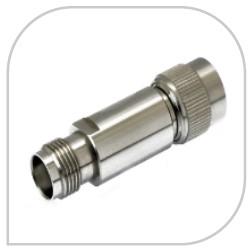
Description
A BNC M LMR 200 CRIMP refers to a specific type of connector and cable assembly used in various electronic and communication applications. Let's break down each part of this term: BNC: This stands for Bayonet Neill–Concelman. It is a type of connector commonly used for coaxial cable connections. BNC connectors are known for their simple "bayonet" locking mechanism, which allows them to be easily attached and detached. They are widely used in video, radio frequency (RF), and telecommunications systems, often in applications like CCTV cameras, test equipment, and networking. M: The "M" typically stands for Male, indicating the gender of the BNC connector. Male connectors have pins (or contacts) that fit into the corresponding female connectors. So, a BNC male connector would have a center pin that fits into the female connector of the corresponding coaxial cable or device. LMR 200: This refers to a specific type of coaxial cable. LMR (Low Loss Multicellular Radiofrequency) cables are designed to provide low signal loss and high performance in RF and communication systems. LMR 200 is a variant of the LMR series, featuring a 0.2-inch diameter. It's known for its flexibility, durability, and ability to handle high-frequency signals with minimal attenuation. LMR 200 cables are used in applications that require efficient signal transmission, such as Wi-Fi networks, antennas, and other RF communications. CRIMP: Crimping refers to the process of attaching the BNC male connector to the end of the LMR 200 cable using a crimping tool. This mechanical process deforms the connector's internal components (like the pin or ferrule) to securely grip the cable's shield and center conductor. Crimping is a reliable method for creating solid and stable electrical connections that can withstand stress and environmental factors. Summary: A BNC M LMR 200 CRIMP refers to a male BNC connector that has been attached to an LMR 200 coaxial cable using a crimping method. This assembly is used for high-frequency signal transmission in a wide range of RF, video, and telecommunications applications. The crimped connection provides a secure and reliable link between the cable and connector, ensuring minimal signal loss and maximum performance.