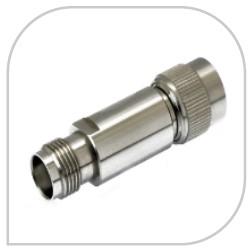
Description
The term BNC M BT 3002 CRIMP likely refers to a specific type of connector or product used in the context of cable assembly and electronics. Let’s break it down to understand its components: BNC (Bayonet Neill-Concelman): This is a type of coaxial cable connector, commonly used for RF (radio frequency) applications. BNC connectors are widely used in video, data transmission, and test equipment. They are characterized by their bayonet-style locking mechanism, which ensures a secure connection by twisting the connector into place. M (Male): The "M" indicates that the connector is male, meaning it has a central pin that plugs into a female connector. In a BNC male connector, this central pin is used to make the connection to the corresponding female socket. BT (possibly "Bulkhead Termination" or "Bayonet Type"): This part of the term could refer to the specific design or mounting style of the connector. "BT" might stand for bulkhead termination, meaning the connector is designed to be mounted through a panel or wall, with the connector passing through a hole in the material. Alternatively, it could indicate the type of bayonet mechanism. 3002: This likely represents the specific part number or model for this BNC connector. Manufacturers use part numbers to identify the particular specifications of a connector, such as material, design, and intended use. CRIMP: The term "crimp" refers to the method used to attach the connector to a cable. In crimping, a metal sleeve is compressed around the cable's conductor and insulation to create a secure, durable connection without the need for soldering. Crimping is commonly used in cable assemblies to ensure a tight, reliable connection that can withstand mechanical stress. In Summary: A BNC M BT 3002 CRIMP would be a male BNC connector designed for bulkhead termination, with a part number of 3002, that uses a crimping method for cable attachment. This type of connector would be used in applications requiring secure RF connections, such as video or data transmission, where durability and performance are important. The crimping method ensures a robust connection between the cable and the connector.