Description
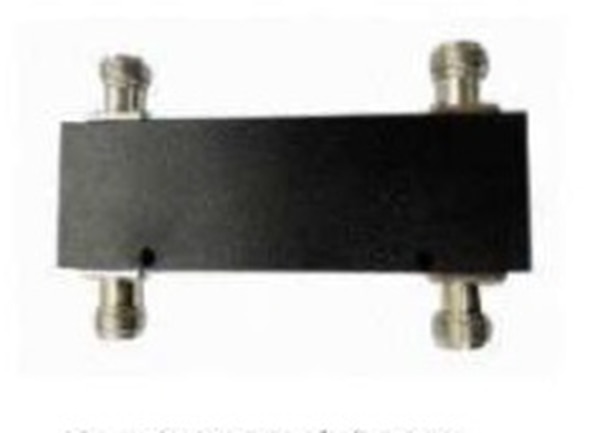
A 2:2 combiner is a specialized RF (radio frequency) device designed to either combine two input signals into two output signals or split signals from two sources into two separate paths. It’s often used in telecom systems where balanced signal distribution or flexible routing is needed—like in distributed antenna systems (DAS), cellular networks, or Wi-Fi infrastructure. Here are its key features: - Configuration: 2 inputs and 2 outputs—can be used for combining or splitting depending on the setup. - Frequency Range: Commonly operates from 698 MHz to 2700 MHz, covering most cellular and wireless bands. - Insertion Loss: Typically between 0.5 dB to 1.5 dB, ensuring minimal signal degradation. - Isolation: Around 15–20 dB, which helps prevent interference between ports. - Power Handling: Can manage 10 to 50 watts or more, depending on the model. - Impedance: Standard 50 ohms, compatible with most RF systems. - Connectors: Usually comes with N-type or SMA connectors. - Build: Often made from durable materials like brass or aluminum for long-term reliability.