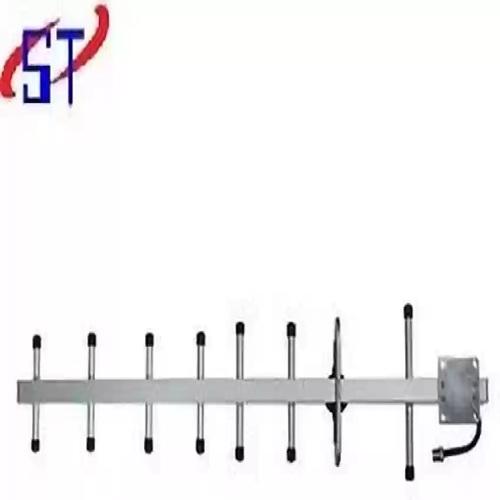
18 Dbi Yagi anteena 800 - 18 dBi Gain(dBi)
INR 100
Enquire
Description
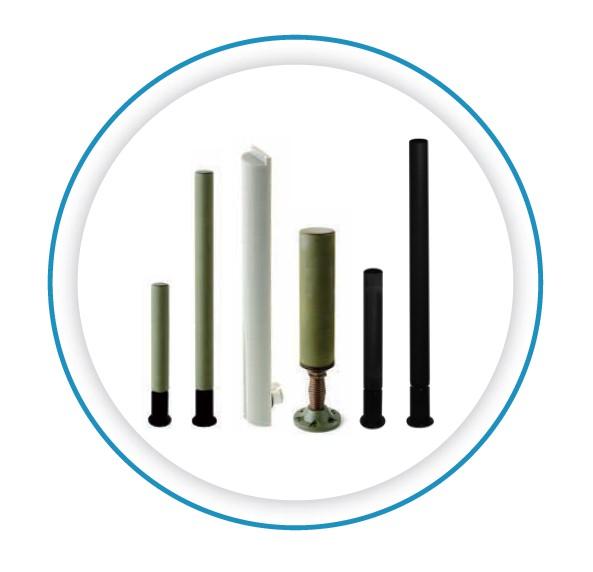
An 18dBi Yagi antenna is a high-gain directional antenna designed for long-range communication in UHF, VHF, or microwave frequencies. Unlike omnidirectional antennas, a Yagi focuses its signal in one direction, making it ideal for point-to-point links, ham radio, TV reception, Wi-Fi bridging, and surveillance systems. Key Features of an 18dBi Yagi Antenna ✅ High Gain (18dBi) – Strong signal focus for extended range (up to 20+ miles in ideal conditions). ✅ Directional Radiation – Must be aimed precisely at the target (not omnidirectional). ✅ Frequency Range – Typically used for: VHF (144-174 MHz) – Ham radio, public safety. UHF (400-520 MHz) – GMRS, FRS, amateur radio. Wi-Fi (2.4 GHz / 5 GHz) – Long-range wireless links. Cellular (700-2700 MHz) – 4G/LTE signal boosting. ✅ Durable Construction – Aluminum or fiberglass elements, weather-resistant. ✅ N-Female or SMA Connector – Common for high-power applications. Common Applications Ham Radio (HF/VHF/UHF) – DXing, repeater linking. GMRS & FRS – Extending handheld radio range. Wi-Fi & Wireless ISP – Point-to-point internet bridging. TV & FM Reception – Weak signal areas. Cellular Boosting – 4G/LTE signal enhancement. Surveillance & Remote Monitoring – Long-distance telemetry. Pros & Cons Pros Cons Extremely long range Must be precisely aimed Rejects interference from sides/back Not suitable for mobile use Better signal than omnidirectional antennas Larger size (3-6 ft typical) Works well in weak signal areas Requires sturdy mounting (pole, mast, or tripod) Popular 18dBi Yagi Models Laird Yagi (VHF/UHF) – Professional-grade for ham & commercial use. Wilson Yagi (Cellular 4G/LTE) – For cell signal boosting. Ubiquiti Yagi (Wi-Fi 2.4/5 GHz) – Wireless ISP applications. Diamond X500H (Ham Radio, 144/430 MHz) – Dual-band Yagi. Installation Tips Mount High & Clear – Avoid obstructions (trees, buildings). Aim Precisely – Use a compass or signal meter for best alignment. Use a Rotor (Optional) – For adjustable direction (ham radio). Check SWR – If used for transmitting (tuning may be needed). Weatherproof Connections – Seal coax with tape or silicone. Expected Range (Approximate) Application Range (Line of Sight) Ham Radio (VHF/UHF) 10-50+ miles GMRS/FRS 5-20 miles Wi-Fi (2.4 GHz) 3-10 miles Cellular 4G 2-8 miles
Other Specifications
| Vertical Bandwidth : | 24 deg |